Project Background
Climate change has a broad impact on health through direct and indirect pathways. Temperature is likely to have subtle effects on health, identifiable through epidemiological studies and health surveillance. Children are vulnerable to the effects of climate change, from conception until early childhood, the period of organ development. The impacts of heat on the respiratory health of the growing child are poorly understood. Emerging studies suggest an increased acute risk, but the chronic effects over a period of time are likely to emerge as an invisible epidemic, presenting only in early adulthood. There is growing evidence that heat and air pollution are likely to have synergistic effects.
The CHI2 Project intends to investigate this invisible effects and develop interventions to protect child health, working in three sites in Africa, and with collaborators across five countries
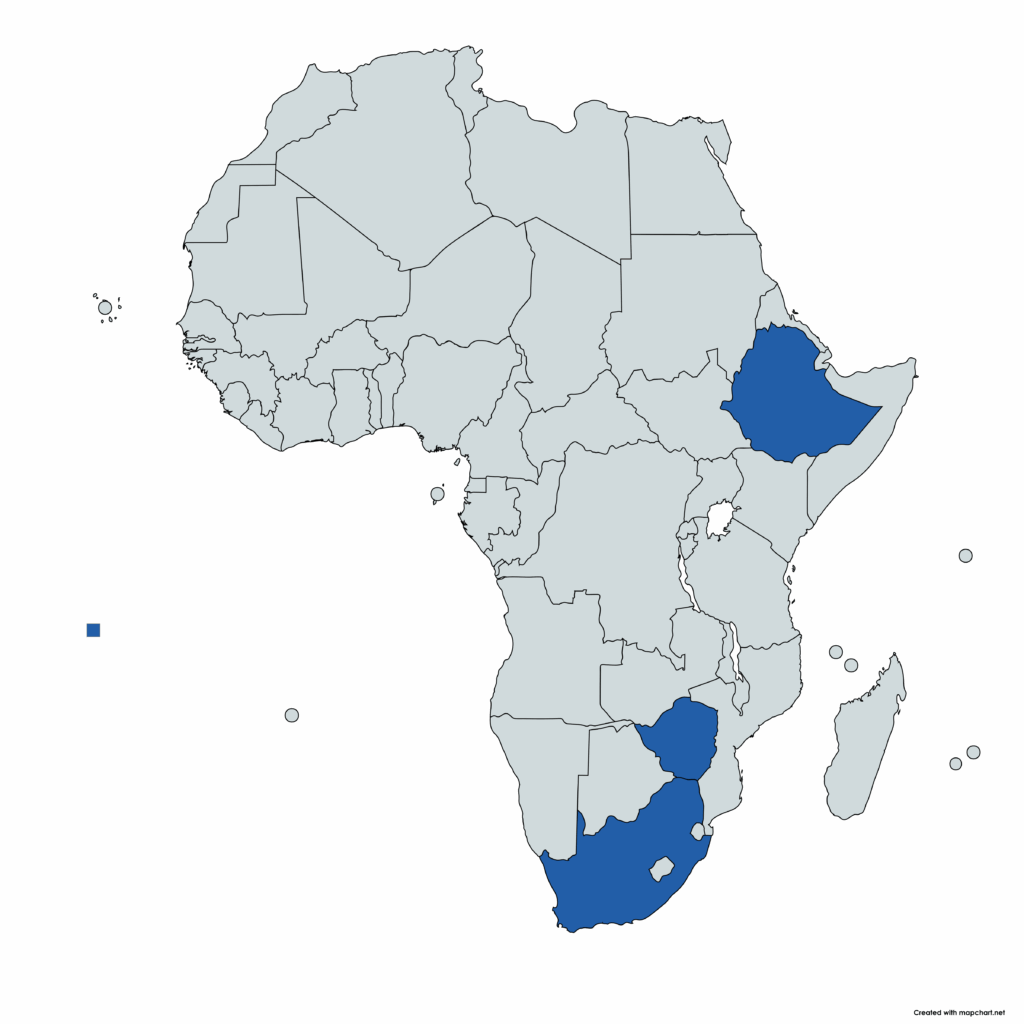
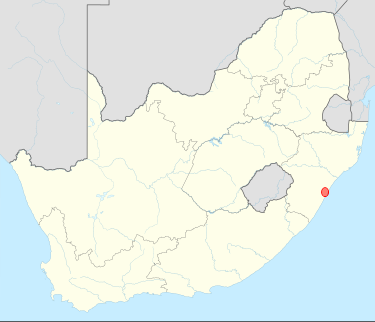
In Durban, South Africa, the Mother and Child in the Environment (MACE) (University of KwaZulu-Natal (UKZN)) birth cohort continues assessment of over 300 children, focused on ambient pollution and respiratory outcomes since 2013. The transdisciplinary research team includes environmental epidemiologists, paediatric pulmonologists, environmental scientists and laboratory scientists. Children have had annual respiratory health assessments including infant lung function testing, with formal spirometry since five years of age. MACE, with funding from the South African National Research Foundation, will provide the research infrastructure for the Durban component of the proposed project. Our approaches in assessing small airways disease is done in collaboration with researchers from Gothenburg University. The participants from MACE are recruited from low-socioeconomic communities in Durban.
In Ethiopia, Haramaya University’s (HU) Health and Demographic Surveillance System (HDSS) was established in 2007, consisting of 350,000 participants in 59,000 households. This demographic survey, conducted quarterly, evaluates maternal and child health, including environmental health. An air pollution survey is currently underway through a collaboration between HU and Lund University (LU), Sweden with funding from the European Union’s Horizon initiative, the ENABLE project. The proposed study will select participants from within the HDSS, with access to historical data and an existing research infrastructure.
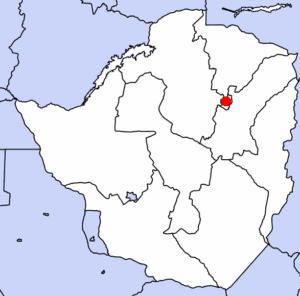
In Zimbabwe, the Biomedical Research and Training Institute (BRTI), with support from the London School of Hygiene and Tropical Medicine, as part of the HIGH Horizons initiative addresses national-level heat indicators and developing strategies to mitigate the impact of heat stress on maternal and child health. The new cohort of primary school children, will be recruited from three schools located in low-socioeconomic communities in close proximity to UZ’s Research Centre in the Epworth community. UZ conducts numerous community studies in these areas.