 Image by Allexxandar on Freepik
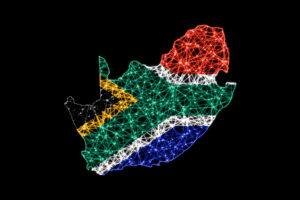
Durban, South Africa
In Durban, South Africa, the Mother and Child in the Environment (MACE) (University of KwaZulu-Natal (UKZN)) birth cohort continues assessment of over 300 children, focused on ambient pollution and respiratory outcomes since 2013.
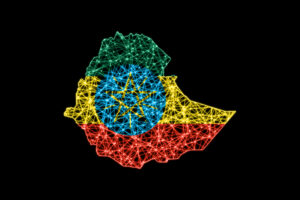 Image by Allexxandar on Freepik
Haramaya, Ethiopia
Haramaya University’s Health and Demographic Surveillance System (HDSS) was established in 2007, consisting of 350,000 participants in 59,000 households. This survey evaluates maternal and child health, including environmental health.
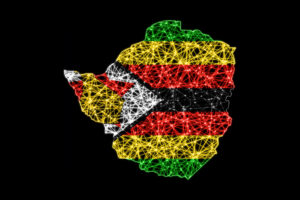 Image by Allexxandar on Freepik
Harare, Zimbabwe
In Harare, the Biomedical Research and Training Institute (BRTI), as part of the HIGH Horizons initiative addresses national-level heat indicators and developing strategies to mitigate the impact of heat stress on maternal and child health.